The Safety Standards Parents Check and Suppliers Need to Meet When Sourcing Kids' Water Bottles in Bulk
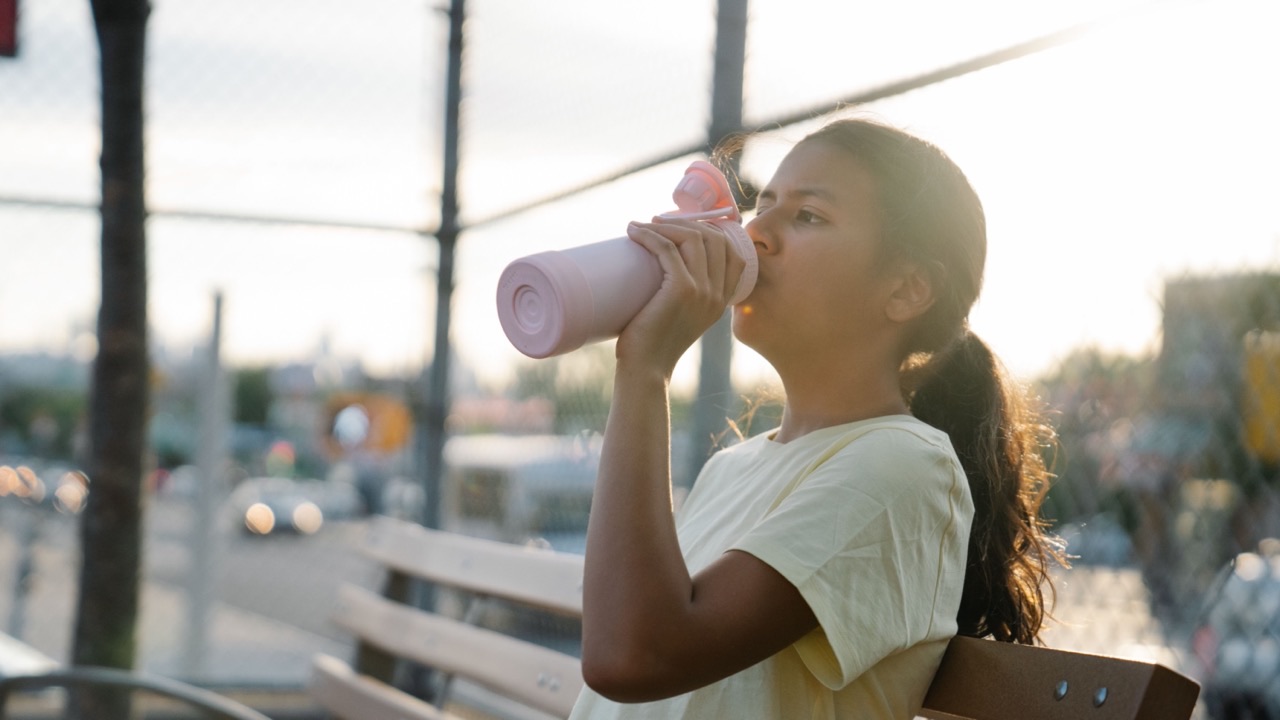
Parents who buy a water bottle for their child spend about thirty seconds checking the product description for BPA-free claims and move on. Parents who’ve had a bad experience with a kids’ bottle — one that leached a chemical smell, one that chipped paint into the water, one whose lid mechanism failed and soaked a backpack — spend considerably more time checking. Buyers who source kids’ water bottles in bulk are buying for the parents who haven’t had that experience yet and are trusting the product to be safe.
That trust means something in practice. The safety requirements for children’s drinkware aren’t dramatically different from those for adult drinkware, but the tolerance for failure is much lower. A lid that leaks on an adult tumbler is annoying. A lid that leaks in a child’s school bag damages a week’s worth of homework and creates the kind of customer service situation that finds its way into reviews. More seriously, materials that aren’t appropriate for food contact — coatings that chip, plastics that leach under heat, gaskets that absorb and release odors — create problems that parents don’t forget.
BPA-free: what it means and what it doesn’t
BPA (bisphenol A) is a chemical used in the production of certain polycarbonate plastics and epoxy resins. Regulatory agencies in the US and Europe have restricted its use in food-contact applications, particularly for children’s products. The term “BPA-free” has become a baseline marketing claim rather than a meaningful differentiator — most plastic components in any current production kids’ bottle will be BPA-free simply because polycarbonate is no longer used in food-contact drinkware.
What BPA-free doesn’t tell you: other bisphenol compounds (BPS, BPF) are used as substitutes in some plastics and have similar chemical structures. The research on these substitutes is less extensive than on BPA, and their presence in “BPA-free” products is not required to be disclosed. For bulk sourcing, the more meaningful question is not whether the plastic is BPA-free but which specific plastic resin is used and what certifications apply to it.
The relevant material certifications for plastic lid components and any plastic body elements: FDA 21 CFR compliance for the US market (specifically the sections covering polymers used in food contact), and LFGB certification for European markets. These certifications cover migration of chemical substances from the plastic into food or beverages, which is the actual safety concern rather than BPA specifically.
Lead in solder: the hidden concern in stainless steel bottles
The most common path for lead into a stainless steel water bottle isn’t the steel itself — 304-grade stainless steel has negligible lead content. It’s the solder used to seal the vacuum at the base of the bottle. Traditional soldering uses lead-containing alloys, and the base weld area on some stainless steel bottles contains measurable lead that can leach into liquid that contacts the base of the inner bottle.
For children’s products specifically, California Proposition 65 requires warning labels on products containing lead above certain threshold concentrations. The threshold for Prop 65 is a warning requirement, not a prohibition, but most buyers distributing to California don’t want their products carrying a Prop 65 warning.
The way to verify lead content in the base weld: XRF (X-ray fluorescence) testing of the finished bottle, specifically at the base weld point and any other solder joints. XRF testing is non-destructive and produces a quantitative result for heavy metal content. A clean result confirms lead is below detection thresholds. A positive result identifies the specific area and concentration.
When requesting documentation from suppliers, ask specifically whether their base weld process uses lead-free solder, and request an XRF test report from a third-party laboratory covering the base weld area. A supplier who provides this documentation routinely is sourcing for markets where lead content is scrutinized. One who isn’t familiar with the request hasn’t supplied to those markets.
Coating safety: powder coat versus painted finishes
The exterior coating on a kids’ water bottle contacts hands constantly and occasionally gets chewed on by younger children. The coating chemistry matters from a safety standpoint, and the adhesion quality matters from a durability standpoint.
Powder coat is the standard exterior finish for stainless steel kids’ bottles. Properly applied powder coat is a thermoset polymer that doesn’t contain volatile organic compounds once cured. The relevant certifications are RoHS (Restriction of Hazardous Substances) compliance, which limits heavy metals including lead and cadmium in the coating, and EN 71-3 for European markets, which covers migration of chemical elements from toy and children’s product surfaces.
Adhesion quality in powder coat determines whether the coating stays on the bottle. Flaking or chipping powder coat is a contamination concern — a child drinking from a bottle whose coating is peeling may ingest coating fragments. The standard test for adhesion is the cross-hatch test: a grid of cuts made through the coating followed by tape pull adhesion testing. Well-adhered powder coat shows no lifting at the cut lines.
For printed decoration on kids’ bottles specifically — character graphics, patterns, name personalization — ask what printing method is used and whether the print inks are food-safe certified. Print inks on the exterior surface that can be rubbed off onto hands, and subsequently ingested, represent a different exposure pathway than the base coating.
Lid mechanism and choking hazard considerations
For children’s products, small parts that could detach are a legitimate safety concern. The standard reference is ASTM F963 in the US (the Consumer Product Safety Improvement Act toy safety standard) and EN 71 in Europe. While water bottles aren’t toys, the small parts provisions are relevant for components like removable lids, detachable straw tips, and clip mechanisms.
Specifically: any component that fits into the small parts cylinder (approximately 3.17cm diameter by 5.71cm depth) is a potential choking hazard for children under three. For bottles intended for school-age children, this is typically less of a concern, but for bottles marketed or distributed to younger children, lid mechanisms should be evaluated for whether any components can be detached and whether detached components are small parts.
The more practical concern for school-age users: lid mechanisms that are secure enough that they don’t open accidentally in a backpack but accessible enough that a child can operate them independently. Mechanisms requiring adult-level grip strength to open fail on usability; mechanisms that pop open from backpack compression fail on leak prevention. Asking for a backpack simulation test — place the sealed bottle in a loaded bag and compress it, then check for leaks — reveals whether the mechanism holds under typical use conditions.
Capacity and hydration requirements
For bulk buyers sourcing kids’ bottles for schools, sports programs, or promotional distribution, capacity selection affects how well the bottle serves its actual function. A standard 12 oz bottle is appropriate for younger children (pre-K through early elementary); 16–18 oz works for elementary-age; 20–24 oz covers middle and high school needs.
Narrower-mouth bottles are easier for younger children to drink from without spilling; wider-mouth bottles are easier to fill from school water fountains and to clean. For school distribution, ease of cleaning is a legitimate hygiene consideration — bottles that accumulate residue in areas that can’t be reached with a standard bottle brush become contamination sources over time.
What bulk ordering documentation should cover
For any bulk order of kids’ water bottles, the documentation baseline should include: material certifications for all food-contact components (steel, plastic, silicone), heavy metals testing covering the base weld area and any coatings, and documentation of the specific plastic resins used in lid components.
Buyers distributing in California should additionally request XRF testing confirming absence of Prop 65 chemicals above threshold concentrations. Buyers distributing in the EU should request LFGB test reports from accredited laboratories for all food-contact materials.
A supplier offering bulk kids water bottles who can produce this documentation from accredited third-party laboratories, rather than self-generated compliance letters, is demonstrating the regulatory literacy that children’s product distribution requires. The documentation overhead is real but it’s the appropriate backstop for products where safety claims carry real-world weight.